
In today’s fiercely competitive market, customer service is the defining factor for business success. Customers are more informed and empowered than ever. In PwC’s 2025 Customer Experience Survey, 52% of consumers said they had stopped using or buying from a brand because of a bad experience with its products or services, and 86% said human interaction is moderately or very important in their brand experience. A single negative experience can drive customers away; exceptional service fosters loyalty, repeat business, and positive advocacy.
Delivering high-quality customer service is no longer optional; it’s a strategic imperative for retention, revenue growth, and brand differentiation. As we enter 2026, leading organizations are embracing emerging trends to meet rising expectations. This guide explores 8 pivotal customer service trends, with practical insights on implementation and the role of specialized partners in achieving excellence.
Why Customer Service Trends Matter More Than Ever
Modern customers demand real-time solutions, personalization, and seamless experiences across channels. Proactive, empathetic service not only resolves issues but adds tangible value, driving higher customer lifetime value (CLV) and advocacy.
Companies that adapt to these trends gain:
- Increased revenue through loyalty and upsell opportunities
- Stronger brand reputation in a review-driven world
- Operational efficiency through more innovative tools and processes
8 Essential Customer Service Trends for 2026
1. True Omnichannel Support
Multichannel presence is table stakes; true omnichannel delivers unified, seamless experiences with context carried across touchpoints.
Why It Matters: Customers switch channels fluidly; fragmented support causes frustration and abandonment.
Implementation: Integrate platforms for consistent history, tone, and resolution, and partner with multichannel experts like Fusion CX for end-to-end orchestration.
2. Proactive Customer Success
Shift from reactive support to anticipating needs and adding value before issues arise.
Examples: Usage tips, preventive alerts, personalized check-ins.
Benefits: Builds deeper relationships, reduces complaints, and increases perceived value.
Tip: Use data analytics to identify opportunities for proactive outreach.
3. AI and Intelligent Automation
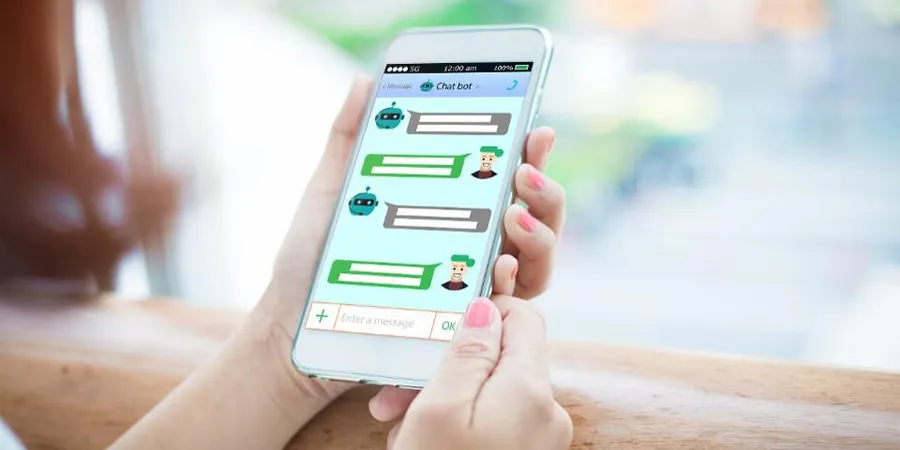
AI-powered chatbots and virtual assistants handle routine queries 24/7 and augment human agents with real-time insights.
Applications: Instant responses, sentiment analysis, suggested resolutions.
Impact: Faster service, lower costs, and consistent quality at scale.
4. Real-Time Communication Excellence
Customers expect immediate assistance via preferred channels: phone, live chat, messaging.
Best Practices: Sub-60-second chat responses, callback options, 24/7 availability.
Outcome: Higher CSAT and reduced abandonment.
5. Hyper-Personalization
Tailor interactions using customer data: history, preferences, behavior.
Strategies: Personalized greetings, relevant recommendations, context-aware responses.
Result: Customers feel valued, increasing loyalty and engagement.
6. Empowered and Supported Agents
Give frontline teams authority and tools to delight customers.
- Decision-making flexibility (refunds, custom solutions)
- Real-time knowledge access
- Ongoing training in empathy and product expertise
Empowered agents resolve issues faster and create memorable experiences.
7. Robust Self-Service Options
Empower customers with intuitive resources for independence.
- Comprehensive knowledge bases and FAQs
- Video tutorials and interactive guides
- Community forums and AI search
Well-designed self-service reduces volume while enhancing convenience.
8. Data-Driven Continuous Improvement
Leverage analytics from surveys, interactions, and sentiment to refine service.
- Identify trends and pain points.
- Measure impact on key metrics (CSAT, NPS, CLV)
- Inform product and policy enhancements
Data turns insights into actionable strategies for ongoing excellence.
Implementing These Trends for Lasting Impact
Success requires the right blend of people, processes, and technology. Many organizations partner with specialized providers to accelerate adoption and ensure consistent execution.
Benefits of strategic partnerships:
- Access to advanced tools and expertise
- Scalable, multilingual support
- Focus on core business while CX thrives
Frequently Asked Questions
What is the difference between multichannel and omnichannel customer service?
Multichannel means a business offers several support channels, such as phone, chat and email. Omnichannel connects them, so the customer’s history and context move with them from one channel to the next. Customers do not have to repeat themselves, which removes a common cause of frustration and abandoned contacts.
What is proactive customer service?
Proactive customer service means reaching customers before they have to ask for help. Examples include usage tips, alerts about a likely problem and personalized check-ins. It builds stronger relationships, reduces complaints and increases the value customers see in the service, because problems are prevented rather than fixed after the fact.
How does AI support human agents in customer service?
AI chatbots and virtual assistants handle routine questions around the clock, while tools such as sentiment analysis and suggested resolutions give agents real-time insight during conversations. Routine work moves to automation and agents spend their time on complex issues, which speeds up service and keeps quality consistent.
Why do empowered agents improve customer service?
Agents who have authority to make decisions, such as offering a refund or a custom solution, can resolve issues on the first contact instead of escalating them. Combined with real-time access to knowledge and ongoing training in empathy and product expertise, this lets them solve problems faster and leave customers with a better experience.
Conclusion: Stay Ahead with Forward-Thinking Customer Service
Embracing these 8 customer service trends positions your brand for sustained growth in a demanding market. From omnichannel seamlessness to proactive personalization, these practices transform service from a cost center into a powerful driver of loyalty and revenue.
Fusion CX delivers cutting-edge, multilingual, multichannel solutions, including AI-driven tools and expert agents, to help you implement these trends effectively.
Ready to elevate your customer service and build lasting loyalty? Contact Fusion CX today to explore tailored strategies for 2026 success.