
Excellent customer service is crucial for maintaining a competitive edge. Organizations contend over whether to outsource their answering services to domestic (US-based answering services) or offshore providers. This choice impacts cost, service quality, operational efficiency, and customer satisfaction. Here, we explore the advantages and disadvantages of both options to help you make an informed decision.
Cost Considerations
Outsourcing to US-based answering services tends to be more expensive due to higher labor costs. However, this investment often translates into superior service quality and customer satisfaction. Additionally, with US-based services, there’s no need to worry about currency fluctuations impacting your budget. “The higher costs are often justified by the quality and reliability of service provided,” says John Thompson, an industry expert.
Due to regional wage differences, offshore call centers in countries like India, the Philippines, and Mexico offer significantly lower labor costs. This can result in substantial savings for your business. “Offshoring can lower labor costs by up to 70% compared to in-house teams,” notes a report by Customer Think. However, payments in foreign currencies can be affected by exchange rate fluctuations, potentially impacting your cost savings.
Service Quality and Customer Experience
US-based answering services excel in cultural alignment and language proficiency. Native English speakers understand and relate to customer nuances, ensuring clear and effective communication. This can enhance customer satisfaction and loyalty. “Customers appreciate the familiar accent and cultural references, which foster trust and brand loyalty,” highlights a report by CMS.
Offshore centers often provide multilingual support, catering to a diverse customer base and ensuring effective communication with non-English speaking customers. This inclusivity can significantly broaden your market reach. However, accents, idioms, and cultural understanding differences can sometimes lead to miscommunications. Some customers might perceive offshore support as inferior, potentially affecting brand loyalty. “While offshore call centers offer cost savings and multilingual capabilities, they must overcome cultural and language barriers to match US-based service quality,” says a customer service consultant, Sarah Jacobs.
Technology and Innovation
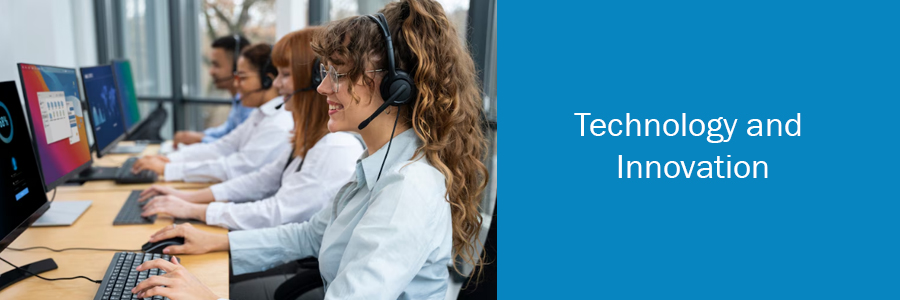
US-based call centers are more likely to use cutting-edge technologies, such as AI-powered voice agents, which enhance service quality and efficiency. These tools streamline operations and provide faster, more accurate responses to customer inquiries. “Advanced technologies and stringent data protection regulations ensure higher service quality and security levels,” says AI specialist Dr. Emily Carter.
Offshore Answering Services
Many offshore centers also utilize advanced technology at a lower cost. These technologies include AI-powered speech analytics, so you can provide a better customer experience and improve service efficiency. However, data security concerns may arise due to varying regulations in different countries. “Offshore centers are increasingly adopting innovative solutions to improve service quality, but data security remains a key consideration,” notes a report by Pexly.
Operational Efficiency
Being in the same country facilitates easier management and faster response times to changes in business needs. Additionally, US-based centers are well-versed in complying with US regulations, reducing non-compliance risk. However, the cost of maintaining facilities and infrastructure in the US is higher. “Proximity and regulatory compliance are significant advantages of US-based services,” says a CMS report.
Offshore services offer unparalleled scalability and flexibility, quickly adjusting to your business’s changing needs. This is particularly beneficial during peak seasons or when launching new products. However, managing an overseas team can introduce challenges related to cultural differences, communication barriers, and time zone differences. “The ability to scale operations up or down without the logistical challenges of managing an in-house team is a significant advantage,” notes Customer Think.
Choosing between US-based and offshore answering services depends on your business needs, budget, and customer base. US-based answering services offer higher quality and cultural alignment but at a higher cost. Offshore services provide significant cost savings, scalability, and multilingual support but may face challenges related to cultural and language barriers.
Contact Fusion CX today to discuss how our customized solutions can meet your specific needs, whether you choose US-based or offshore answering services. Our expertise and advanced technologies ensure your business delivers exceptional customer service.
Frequently Asked Questions
Are US-based answering services worth the higher cost?
They usually cost more because of higher US labor and facility costs, but many businesses accept that for native English, close cultural alignment, easier management from the same country and familiarity with US regulations. Billing in dollars also removes exposure to currency swings. Whether it pays off depends on your customers and budget.
What are the advantages of offshore answering services?
Offshore providers in countries such as India, the Philippines and Mexico offer much lower labor costs because of regional wage differences. They also tend to offer multilingual support, which helps reach non-English-speaking customers, and the flexibility to scale quickly for peak seasons or product launches without the burden of growing an in-house team.
What risks should you weigh before choosing an offshore answering service?
Differences in accents, idioms and cultural understanding can cause miscommunication, and some customers may see offshore support as less personal. Data security rules vary by country, time zones and distance make oversight harder, and paying in foreign currencies exposes savings to exchange-rate changes. Clear standards and active management help reduce these risks.
How do you decide between US-based and offshore answering services?
Start with your customer base, budget and service priorities. If cultural alignment, native English and simple regulatory oversight matter most, a US-based service is often the better fit. If cost savings, multilingual coverage and fast scaling matter more, offshore can work well, provided language, cultural and security gaps are managed.