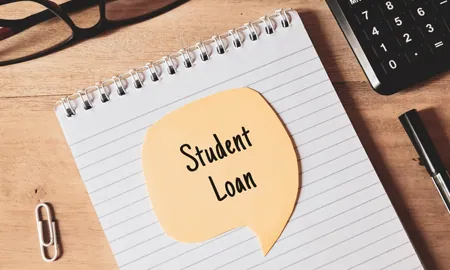
The Supreme Court’s student loan relief rejection in June 2023 sent shockwaves through the higher education lending ecosystem. By striking down the Biden administration’s broad forgiveness plan, the Court put millions of borrowers back on the hook for balances they had expected to disappear. In the years since, ongoing litigation around the SAVE repayment plan and new executive actions have kept the landscape uncertain. For borrowers, servicers, and collections teams, understanding the implications of the student loan relief rejection remains critical heading into 2026.
What the Student Loan Relief Rejection Actually Decided
In Biden v. Nebraska, the Supreme Court ruled 6-3 that the Department of Education lacked authority under the HEROES Act to cancel up to $20,000 in federal student loan debt per borrower. The decision affected an estimated 40 million borrowers who had applied for or were eligible for relief. As a result, repayment obligations resumed after a three-year pandemic-era pause.
How the Student Loan Relief Rejection Impacts Borrowers
- Resumed monthly payments: Borrowers must budget for payments many had not made in over three years.
- Accrued interest: For many borrowers, balances grew during the pause despite expectations of forgiveness.
- Credit score implications: Missed payments after resumption now appear on credit reports.
- Emotional and financial stress: Borrowers who planned around forgiveness face recalibrated financial futures.
- Ongoing uncertainty: The SAVE plan, income-driven repayment adjustments, and potential new executive actions keep the landscape shifting.
What This Means for Servicers and Collections Teams
The student loan relief rejection created a surge in delinquencies as borrowers re-entered repayment after years of dormancy. Servicers and collections teams face:
- Volume spikes: Millions of accounts re-entering active repayment simultaneously.
- Borrower confusion: Many borrowers do not understand their current balance, repayment options, or eligibility for alternative plans.
- Empathy requirements: Borrowers feel betrayed by a system that promised relief. Aggressive collection tactics backfire severely in this emotional context.
- Regulatory scrutiny: The CFPB has increased oversight of student loan servicers and collection practices.
Strategies for Navigating the Post-Rejection Landscape
- Educate borrowers on repayment options: Many borrowers qualify for income-driven repayment plans, Public Service Loan Forgiveness, or hardship deferrals. Proactive education reduces delinquency.
- Lead with empathy: Train agents to acknowledge borrower frustration before discussing payment. Empathy-led outreach consistently outperforms pressure tactics in student loan collections.
- Deploy omnichannel outreach: Student loan borrowers skew younger and digital-first. SMS, email, and self-service portals outperform phone-only strategies.
- Offer flexible repayment: Graduated plans, temporary deferrals, and reduced-payment arrangements keep borrowers engaged.
- Monitor regulatory changes: The landscape continues to evolve. Build agility into collection program design.
How Fusion CX Supports Student Loan Collections
At Fusion CX, we support first-party collections for student loan servicers navigating the post-rejection environment. Our agents are trained in empathy-led outreach, borrower education, and flexible repayment enrollment. Furthermore, our quality assurance programs ensure every interaction meets compliance requirements.
Contact Fusion CX today to learn how we can help your student loan portfolio navigate this complex landscape.